
Need new brake pads, or a brake service?
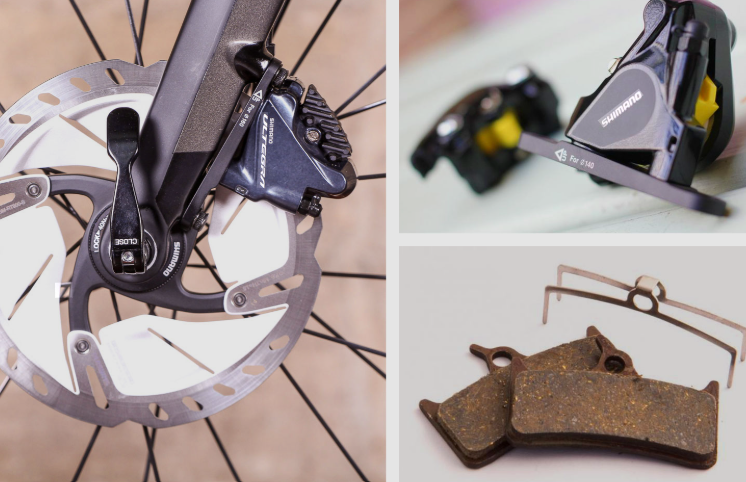
The Pros and Cons of Bike Brake Pad Types: Organic, Sintered & Semi‑Metallic, Which Should You Choose?
When it comes to bike maintenance, brake pads are one of the smallest components on your bike, but they make one of the biggest differences to how safe, confident and in‑control you feel on the road or trail. Whether you’re commuting through Clydebank, tackling wet Glasgow weather, or heading out for weekend trail rides, choosing the right brake pad compound matters.
In this guide, we break down the three main types of disc brake pads: organic (resin), sintered (metallic), and semi‑metallic, explaining how each works, where they shine, and where they struggle.
🚲 What Brake Pads Actually Do
Disc brake pads clamp /grip onto your rotor when you pull the brake lever to create friction, converting your speed into heat and slowing the bike. The compound and quality of the pad plays a big role in:
-
How strong the initial bite feels
-
How well the pad handles heat
-
How long it lasts
-
How noisy it is
-
How it behaves in wet or muddy conditions
The compound is the single biggest factor in braking feel and performance.
1. Organic (Resin) Brake Pads
Organic pads, also called resin pads, are made from fibres like Kevlar, rubber, glass or silica, all bound together with resin. They contain no metal content, which makes them softer and quieter.
✅ Pros
-
Strong initial bite, great stopping power from the first lever pull.
-
Smooth, progressive feel, great modulation and control.
-
Quiet braking, ideal if you hate squealing brakes.
-
Gentle on rotors, less wear over time.
❌ Cons
-
Low heat resistance, pads can fade or glaze on long descents or heavy braking.
-
Faster wear rate, especially in wet or gritty Scottish conditions.
-
Reduced wet‑weather performance, loses bite when wet.
🎯 Best For
-
Dry commuting
-
Road cycling
-
XC riding
-
Short, low‑intensity rides
Organic pads are perfect if you want quiet, smooth braking and you’re not hammering long descents or riding in constant rain.
2. Sintered (Metallic) Brake Pads
Sintered pads are made by fusing metallic particles (like copper, iron and steel) under heat and pressure. This creates a hard, durable pad that thrives in tough conditions.
✅ Pros
-
Excellent wet‑weather performance, ideal for Glasgow’s climate.
-
High heat resistance, won’t fade on long descents.
-
Very durable, lasts significantly longer than organic pads.
-
Consistent braking in mud, rain and grit, perfect for MTB and winter riding.
❌ Cons
-
Noisier, can squeal, especially when cold.
-
Harsher on rotors, increased rotor wear over time.
-
Less initial bite when cold, needs a bit longer to warm up.
🎯 Best For
-
Wet, muddy riding
-
Long descents
-
Enduro / downhill mountain biking
-
Heavier riders
-
Year‑round Scottish conditions
If you ride in all weather or hit steep trails, sintered pads are the most reliable choice.
3. Semi‑Metallic Brake Pads
Semi‑metallic pads blend organic resin with metallic particles (usually 30 to 50% metal). They aim to combine the best of both worlds: the feel of organic pads with the durability of metallic ones.
✅ Pros
-
Balanced braking feel, better bite than sintered, smoother than organic.
-
Improved heat resistance, less fade than pure organic.
-
Good durability, longer lifespan without being too harsh on rotors.
-
Versatile, works well across mixed conditions.
❌ Cons
-
Not the best at any one thing, a compromise option.
-
Can be noisier than organic
-
Performance varies by brand, blends differ widely.
🎯 Best For
-
All‑round riders
-
Mixed weather
-
Trail riding
-
E‑bike use (depending on compound)
If you want one pad that handles most conditions reasonably well, semi‑metallic is your go‑to.
🔧 Which Brake Pad Should You Choose?
Here’s a quick comparison to help you decide:
| Pad Type | Best For | Strengths | Weaknesses |
|---|---|---|---|
| Organic (Resin) | Dry commuting, road, XC | Quiet, strong initial bite, smooth feel | Poor wet performance, fast wear, heat fade |
| Sintered (Metallic) | Wet weather, MTB, long descents | Durable, great in rain/mud, heat‑proof | Noisy, harsher on rotors, slower cold bite |
| Semi‑Metallic | Mixed riding, all‑round use | Balanced feel, good durability | Not top‑tier in any category |
🛠️ Volt & Spoke’s Recommendation for Glasgow Riders
Given our local weather and terrain, here’s what we usually recommend:
-
Commuters: Semi‑metallic or organic (if mostly dry).
-
MTB / trail riders: Sintered, hands down.
-
E‑bike riders: Semi‑metallic or sintered for durability.
-
Road cyclists: Organic for quiet, smooth braking, unless you ride in constant rain.
And remember: the right pad also depends on your rotor size, braking style, and bike setup.
If you’re unsure, pop in for a free brake check, we’ll tell you exactly what your bike needs.
🚲 Need New Brake Pads or a Service?
Volt & Spoke offers:
-
Free local collection & delivery
-
Full brake inspections
-
Pad replacement
-
Rotor checks
-
Digital job reports with photos
-
Transparent pricing
Book online anytime, or give us a shout if you prefer speaking to a human.
Never miss a post: RSS feed, Facebook, Instagram.
Want us to take a look?
Book a service or a free assessment. We come to you across Glasgow and West Dunbartonshire.


